01
Mechanical design and 3D CAD
Develop parts, assemblies and mechanisms. Review component interfaces, access, clearances and the practical requirements of assembly and servicing.

Resolve how a product works, how its parts fit together and how it can be made. We connect design intent to mechanical detail, technical reviews and controlled production information.
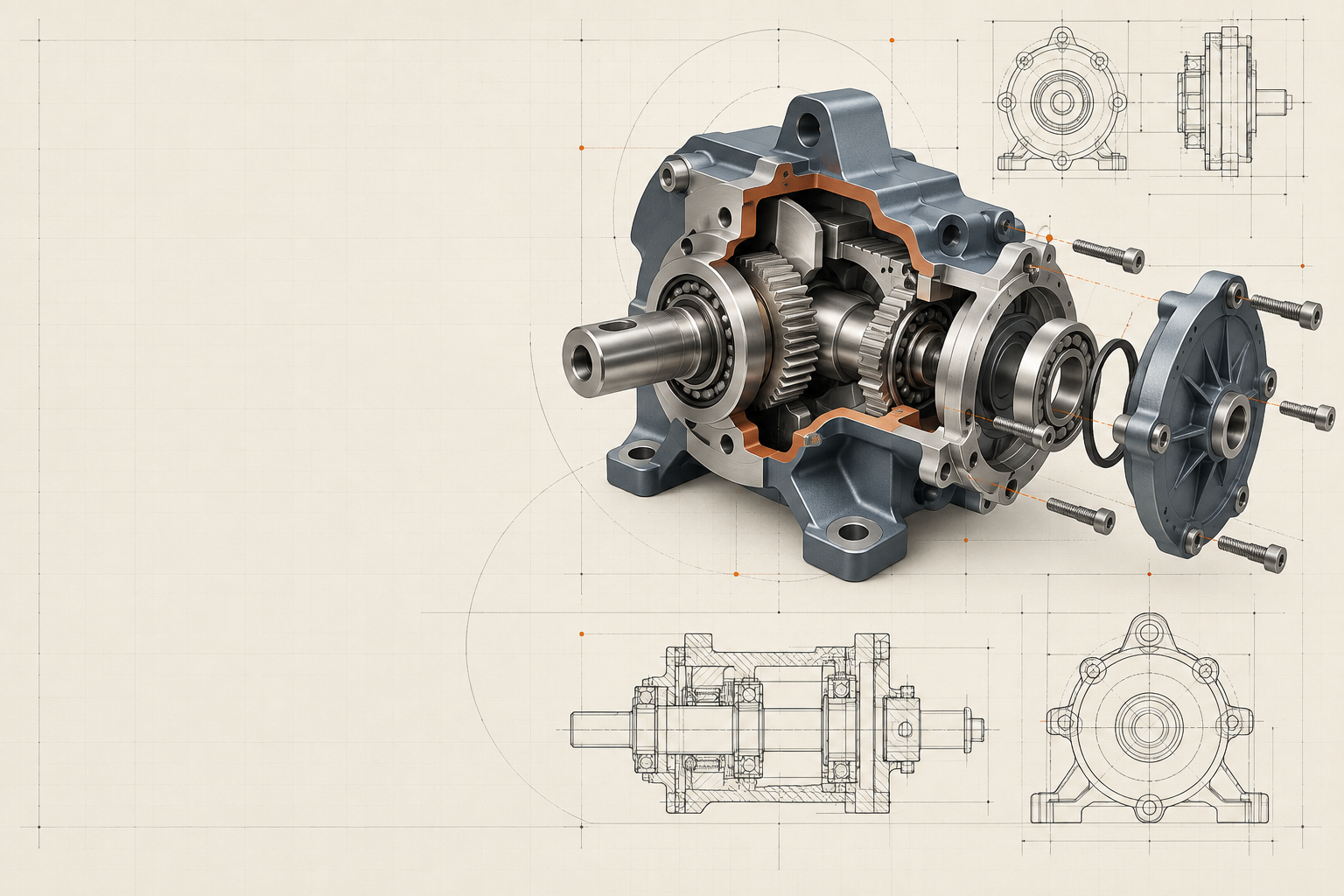
Engineering brings requirements into the details: interfaces, mechanisms, loads, materials, tolerances and assembly. We develop those details with the intended manufacturing process and the product's use conditions in view.
Develop parts, assemblies and mechanisms. Review component interfaces, access, clearances and the practical requirements of assembly and servicing.
Review geometry, materials and process choices with manufacture in mind. Consider how parts will be produced, located, joined and inspected.
Prepare agreed technical drawings and documentation. Identify what needs calculation, simulation or physical testing, and coordinate specialist analysis where included in the scope.
Depending on your project, the agreed work may include:
Deliverables, responsibilities, timing and fees are confirmed in the proposal or quotation.
Bring available CAD, drawings, specifications and test results. Explain operating loads, environment, interfaces, intended production quantities and any applicable standards or approval requirements.
Certification and statutory approvals are included only when expressly scoped. The required standards, specialist responsibilities and evidence should be identified at the start.
We can review the available information and propose the next steps. An existing model may need additional requirements or technical checks; a physical part may require measurement or a separately scoped scanning and reconstruction process.