01
Prototype planning and file review
Review the geometry, intended use and critical features. Identify areas that may need adjustment and agree what the prototype is intended to demonstrate.

Use physical parts to answer the questions a screen cannot. We help you plan prototypes, review design files and select a process for the part's intended purpose.
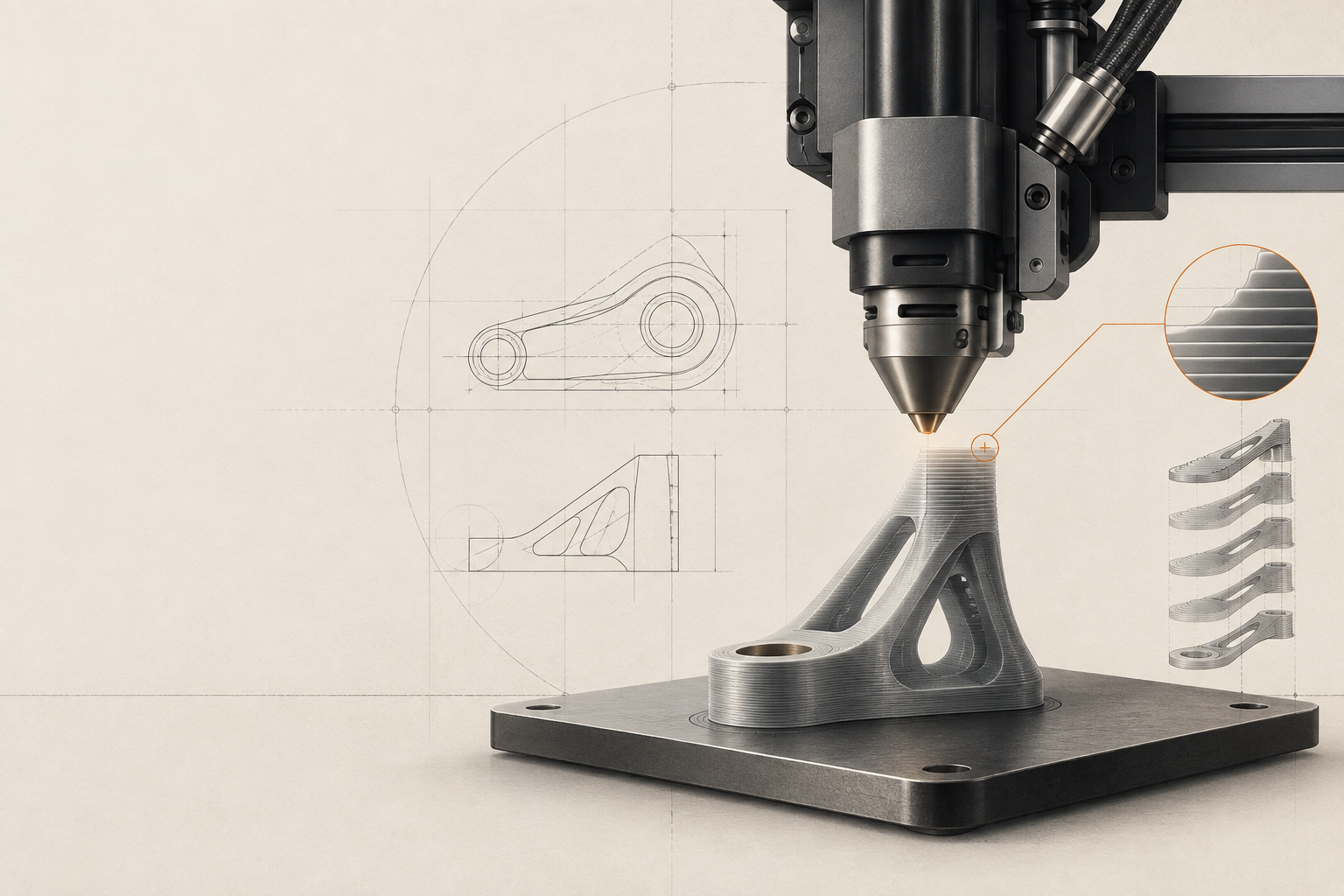
A presentation model, a fit-check part and a functional prototype have different requirements. Starting with the purpose helps determine the process, material, finish and checks needed before you commit to making it.
Review the geometry, intended use and critical features. Identify areas that may need adjustment and agree what the prototype is intended to demonstrate.
Consider FDM or resin printing for the application, with material and process selection reviewed against the requirements. Quantities, pricing and lead times are confirmed through quotation.
Define the post-processing and assembly work required. Agree the features to inspect and the information needed to evaluate the resulting parts.
Depending on your project, the agreed work may include:
Deliverables, responsibilities, timing and fees are confirmed in the proposal or quotation.
Provide your CAD files, quantity, intended use and required date. Highlight critical dimensions, mating parts, loads, heat exposure and surface-finish needs. Include drawings when dimensions or tolerances must be controlled.
The quote form lists the supported formats. STEP is useful for solid geometry and STL for mesh-based printing workflows; include supporting drawings where needed.
Not necessarily. Process, material, orientation and geometry influence behaviour. Tell us what you want to test so the prototype's limitations can be considered.
Yes. Share the quantity and requirements for review. Suitability, repeatability, inspection, price and timing are assessed for the specific part.